

Build the baseline work list
Combine survey recommendations, specialist findings and service history. Sort items into work before use, scheduled maintenance and optional improvements. Keep uncertain scope visible. Name who can assess each item and avoid allowing a new electronics package to hide an unresolved rig, engine or leak concern.
Make sailing easier for your crew
Discuss sails, reefing, furlers and control arrangements with sailmakers and riggers. Ask whether service, adjustment or instruction could solve the problem before replacement. Quote the complete system, including measurement, fittings and compatibility. A new sail should work with the actual handling equipment and the way you sail.
Plan system changes together
For batteries, charging, machinery or electronics, establish what is installed and what changes interact. Ask the appropriate marine specialists for compatible installation, protection, access and commissioning. A component price is not an installed-system price. Keep diagrams and records so the next contractor understands the arrangement.
Organise the yard and contractors
Confirm access, lift needs, contractor availability, parts and storage charges. Combine jobs sharing access when practical, without rushing checks. Agree written approval for scope changes and identify who coordinates dependent tasks. If hidden work is likely, establish a defined investigation stage and decision point.
Verify and learn the result
Request completion evidence, manuals, updated diagrams and demonstrations. Arrange relevant testing and follow-up recommended by the professionals. Record what changed in your inventory and maintenance calendar. An upgrade is useful when it works as intended and you know how to operate and look after it.
12 DETAILED EQUIPMENT GUIDES
Upgrade your vessel, one system at a time.
Each product category has its own page: the buying decision, system compatibility, quote inclusions, commissioning and ongoing care. Start with the problem you need to solve.

EQUIPMENT 01
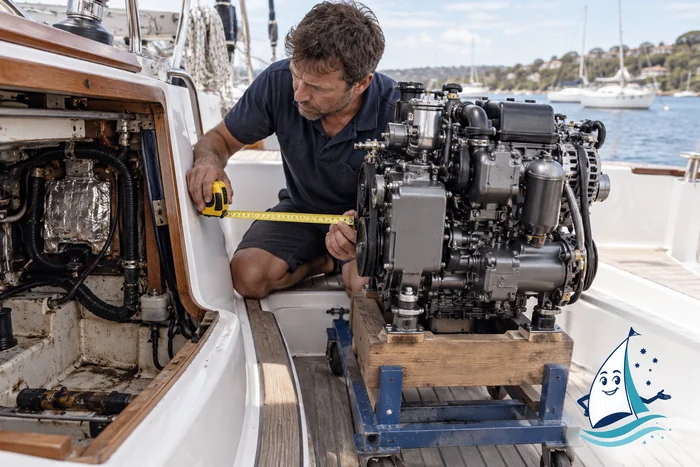
Engine & propulsion
Repair, rebuild or repower: compare the complete propulsion installation.
Open complete upgrade guide →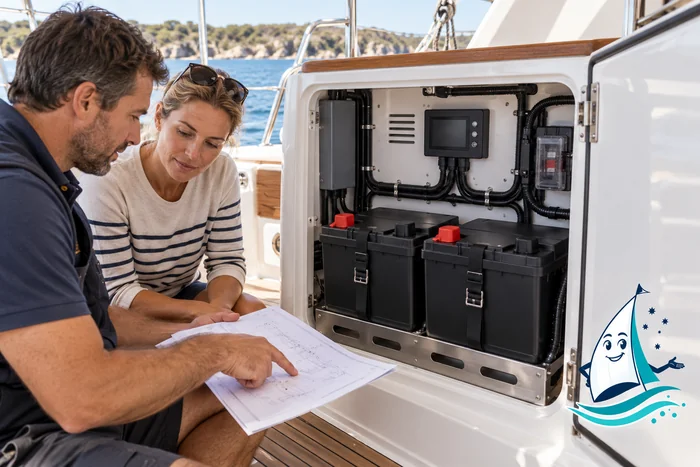
EQUIPMENT 02
Lithium house batteries
Plan the battery, charging, protection and monitoring as one electrical system.
Open complete upgrade guide →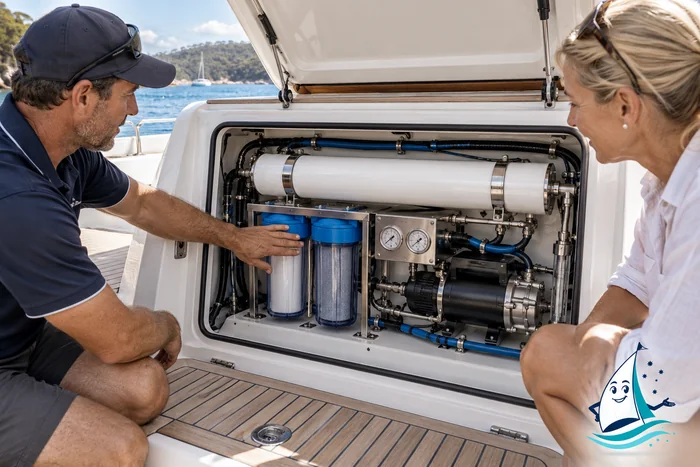
EQUIPMENT 03
Watermaker & freshwater capacity
Balance daily water demand with energy, installation and ongoing care.
Open complete upgrade guide →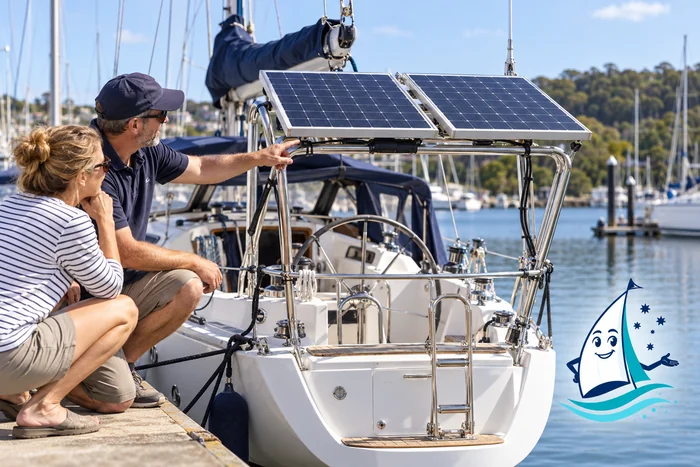
EQUIPMENT 04
Solar panels & charging
Match collection, control and charging opportunities to your daily load.
Open complete upgrade guide →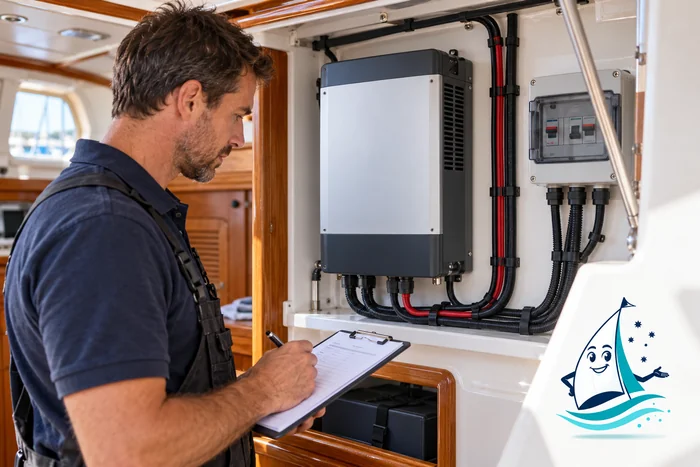
EQUIPMENT 05
Inverter, shore power & AC appliances
Decide which appliances are worth the energy and installation changes.
Open complete upgrade guide →
EQUIPMENT 06
Sails, reefing & sail handling
Buy sails and controls that your regular crew can use confidently.
Open complete upgrade guide →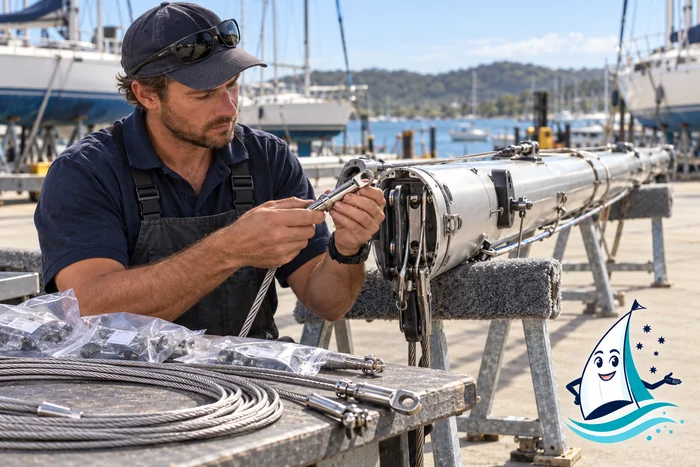
EQUIPMENT 07
Standing rigging, mast & deck hardware
Define the components being renewed and the structure supporting them.
Open complete upgrade guide →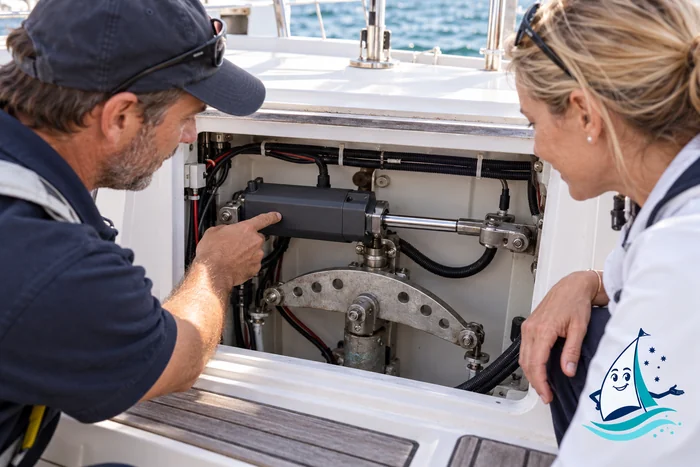
EQUIPMENT 08
Autopilot & steering
Match the drive and controls to the actual steering system and cruising load.
Open complete upgrade guide →
EQUIPMENT 09
Chartplotter, AIS, instruments & communications
Plan the information you need and the connections that make it available.
Open complete upgrade guide →
EQUIPMENT 10
Anchor, chain, windlass & bow fittings
Assess the entire anchoring arrangement, including retrieval and storage.
Open complete upgrade guide →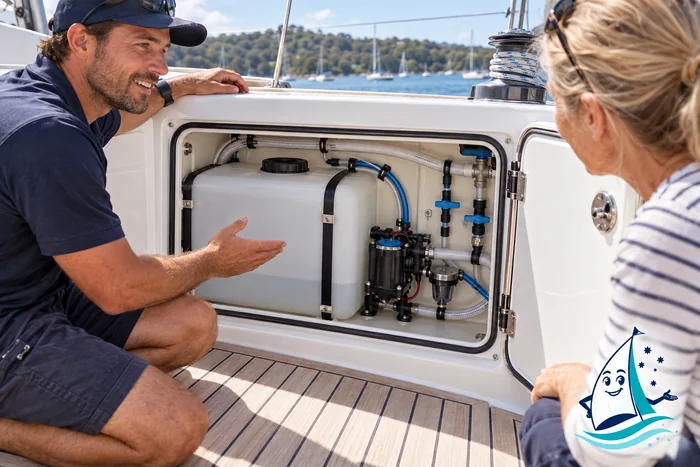
EQUIPMENT 11
Tanks, pumps, hoses & heads
Plan access, hygiene and serviceability alongside capacity and convenience.
Open complete upgrade guide →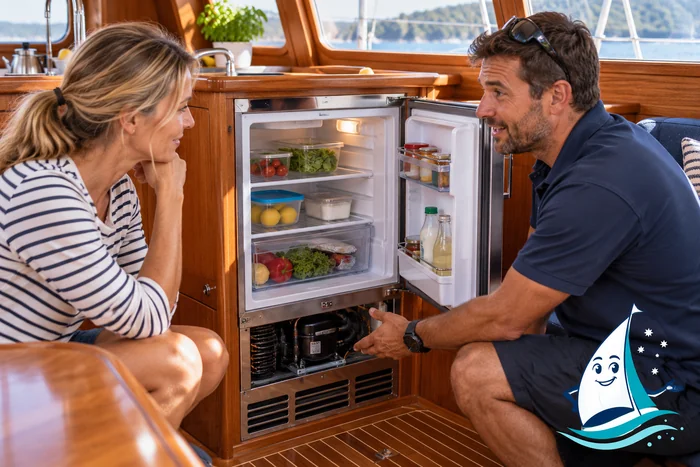
EQUIPMENT 12
Refrigeration & galley comfort
Balance cold storage, access and energy before buying a new fridge.
Open complete upgrade guide →Images are generated editorial illustrations, not installation drawings or examples of an approved system.
WORK THROUGH THE DECISION
Sequence the refit around dependencies
A new owner wants a mainsail, solar charging and a chartplotter. Their first step is to close the inspection findings and understand the existing installation. They ask the sailmaker and rigger to coordinate handling hardware, and give the electrical contractor a usage brief before choosing charging equipment.
They group jobs that share access or a yard visit and compare complete installed quotes. A variation process covers hidden work, and somebody is responsible for commissioning interfaces between trades. Optional equipment can wait if the programme threatens the reserve or sailing time. Completion means documented, demonstrated operation and familiarisation, not simply boxes installed on the yacht.
Illustrative scenario, not an assessment of a listed yacht.
The decisions that matter here
| Decision | Evidence you need | What to do next |
|---|---|---|
| Is the work necessary now? | Professional findings, intended use and crew needs. | Prioritise condition and essential operation. |
| Does another job affect the scope? | Access, power, hardware and installation dependencies. | Coordinate trades before ordering. |
| How will completion be verified? | Commissioning scope, documentation and handover. | Require evidence and learn the new arrangement. |
AVOID THE COMMON TRAPS
What can derail this stage
- Buying components before confirming fit and installation.
- Scheduling tightly with no allowance for parts or hidden work.
- Spending the reserve on preferences before necessary work is scoped.
YOUR PRACTICAL OUTPUT
What to put in your notebook
- A prioritised work list: necessary, useful and optional.
- Comparable quotes and a coordinated schedule.
- Commissioning records, updated manuals and crew familiarisation.
6 QUESTIONS FOR THIS TOPIC
Upgrade your yacht: FAQs
How do I choose the first project after buying the yacht?
Start with professional findings affecting intended use, then review reliability and practical handling needs. Put optional comforts in a separate list. The first project should solve an established priority rather than reflect whichever product is most exciting to shop for.
Why should lithium, solar and inverter proposals share one brief?
They interact through the yacht’s electrical system and the way the crew uses energy. Ask the relevant professionals to coordinate compatibility, demand and charging. Separate quotes should still describe a coherent finished result and clear responsibilities.
Can I use the upgrade guides to install equipment myself?
Use them to understand decisions, prepare enquiries and assess scope. Actual installation requirements, technical limits and any licensed work belong to the selected equipment documentation and appropriately qualified professionals. The editorial images are not installation drawings.
How do I compare an equipment-only price with a yard quote?
Ask for the same finished scope, including access, removal, installation, connected systems, commissioning and owner handover. List exclusions and provisional items separately. Comparing a box price with a complete installation total will otherwise be misleading.
What should trigger a pause during a refit?
Pause for clarification when hidden conditions, substitutions or new work change the agreed result, budget or responsibilities. Obtain the relevant assessment and written variation before continuing with dependent work. Keep every contractor working from the updated plan.
When is an upgrade genuinely finished?
The agreed work is completed, the relevant professional has supplied commissioning evidence and records, and the crew understands operation and limitations. Record any follow-up work separately. A delivered component or paid invoice alone does not describe that full result.
BEFORE YOU MOVE ON
Your section checkpoint
- Work is prioritised and properly scoped.
- The installation has been checked and demonstrated.
- Records and maintenance responsibilities are updated.
Pause if: Pause when contractors are quoting different scopes, important interfaces are unexplained, or optional equipment would consume the repair reserve.
Write down your evidence and outstanding questions →THE DETAIL BEHIND EACH DECISION
Read the deeper chapters
Upgrade your yacht in the right order
Plan improvements around the survey, your sailing and the existing installation. Find Australian specialists through YouSail.
Read chapter →Sails: age, shape and the replacement question
Learn what sail age tells you, what it cannot tell you, and how to get a useful sailmaker assessment before budgeting for a new wardrobe.
Read chapter →Mast and rigging: what was actually replaced?
Separate wire replacement, running rigging, mast work and inspections. Build an evidence trail for the whole rig.
Read chapter →The auxiliary diesel: history, cold start and loaded trial
Engine hours are one piece of evidence. Review the installation, service history and propulsion system with a marine mechanic.
Read chapter →Build a yacht maintenance record that lasts
Create a usable history of equipment, inspections, repairs and next actions for your yacht.
Read chapter →Manage a yacht refit across several trades
Coordinate scope, access, variations and commissioning when several contractors work on your yacht.
Read chapter →Plan an electrical audit before upgrading
Understand the existing electrical installation before adding lithium, solar, refrigeration or other major loads.
Read chapter →YOUR AUSTRALIAN SUPPORT CREW
Find the right help on YouSail.
Start with the job you need done, then discuss experience, scope and availability directly.
Assess the sail wardrobe and price repairs or replacement.
Explore the YouSail directory →Discuss machinery assessment and service scope.
Explore the YouSail directory →Scope structural repairs and coordinated yard work.
Explore the YouSail directory →Directory links checked 6 October 2026. Listings are starting points for enquiries, not endorsements or confirmation of current qualifications, services or availability. Choose and appoint your own independent professionals.